Bio Fuel 101: What It Is and How It Works
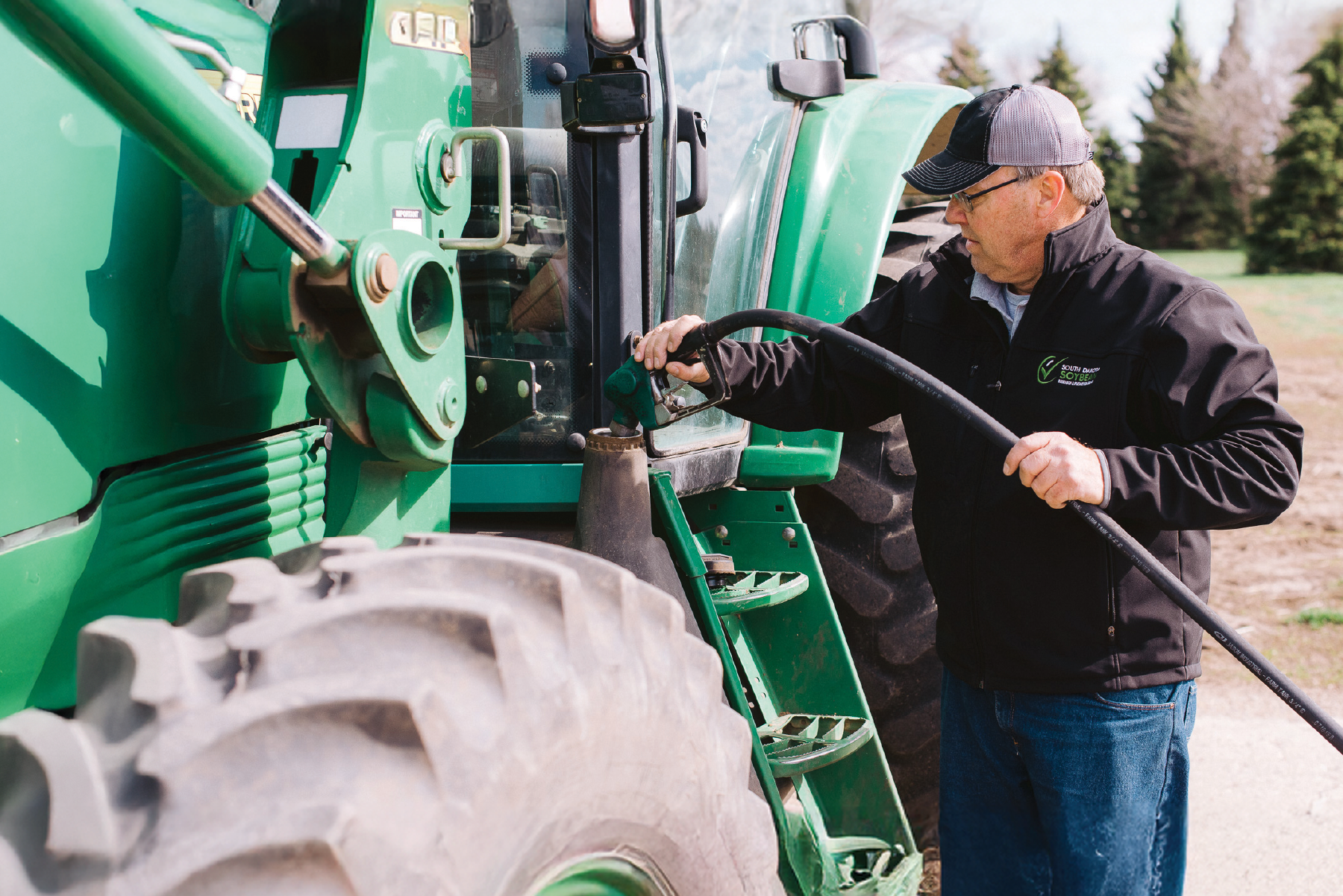
When you fill up your car, you probably don’t think about what’s in your fuel tank. But chances are, part of it already comes from the farm! Many fuels today include bio fuel, a renewable energy source made from plants grown right here in the U.S.
If you’ve ever wondered what bio fuel really is, this quick blog covers the basic facts — from how it’s made to why it matters for our planet and our farmers.
What Is Bio Fuel?
Simply put, bio fuel is fuel made from natural, renewable materials like corn, soybeans, and even recycled cooking oil. Because it comes from plants instead of fossil fuels, it’s considered a cleaner, more sustainable energy source.
There are two main types:
Ethanol – made from crops like corn and blended into gasoline.
Biodiesel – made from soybean oil or other natural fats and used in diesel engines.
These fuels can power the same cars, trucks, and farm equipment we already use — just with less impact on the environment.
How It Works: From Farm to Fuel
Grown by Farmers: Crops like corn and soybeans are planted and harvested.
Converted to Fuel: The crops are processed — corn becomes ethanol, and soybeans become oil for biodiesel.
Blended with Traditional Fuel: Ethanol and biodiesel are mixed into regular gasoline or diesel fuel.
Used Every Day: This cleaner blend fuels our vehicles, farm equipment, and even home heating systems.
So, every time you drive with a biofuel blend, you’re helping reduce emissions and supporting local farmers.
Why Bio Fuel Matters
Bio fuel isn’t just good for engines — it’s good for people, farms, and the planet. Here’s why:
Clean Energy: Biodiesel burns cleaner than petroleum diesel, producing fewer harmful emissions.
Farmer-Supported: Using soy oil for fuel creates new opportunities for local farmers and supports rural economies.
Renewable Resource: Soybeans can be replanted every season, making bio fuel a sustainable energy choice.
Made in America: Most biodiesel is produced right here in the U.S., reducing our reliance on imported energy.
Every gallon of biodiesel represents another step toward a cleaner, more self-sufficient future — one rooted in agriculture. Curious about how biodiesel compares? Check out common misconceptions about biodiesel to learn what’s fact and what’s myth.
Challenges and Considerations
Like any renewable energy, bio fuel has its challenges. Weather, market shifts, and technology can all play a role in how much fuel is produced or how it’s used.
Farmers also face daily uncertainties, from managing crop health to balancing input costs. But their commitment to innovation and sustainability keeps this progress moving forward.
At the heart of it all is farmer well-being, ensuring that those who grow our energy have the resources, support, and stability they need to thrive.
Staying Safe with Bio Fuel
If you use bio fuel or are curious to try it, here are a few quick tips:
Check your owner’s manual to see what fuel blend works best for your vehicle.
Store bio fuels properly, especially during cold weather.
Support certified, sustainable fuel producers whenever possible.
These small steps help ensure safety, quality, and reliability.
A Cleaner Future Grown on the Farm
Bio fuel represents more than a cleaner energy source—it’s a step toward a more sustainable future that begins right here on South Dakota farms. Every drop helps reduce our environmental impact while supporting local communities and the families who grow the crops that make it possible.
From renewable energy to thriving farms, bio fuel is proof that sustainability can create opportunity. Explore how soybean farming drives South Dakota’s economy and keeps our communities strong.