Next-Generation Ranching: Luke Hennebold’s Seedstock Journey
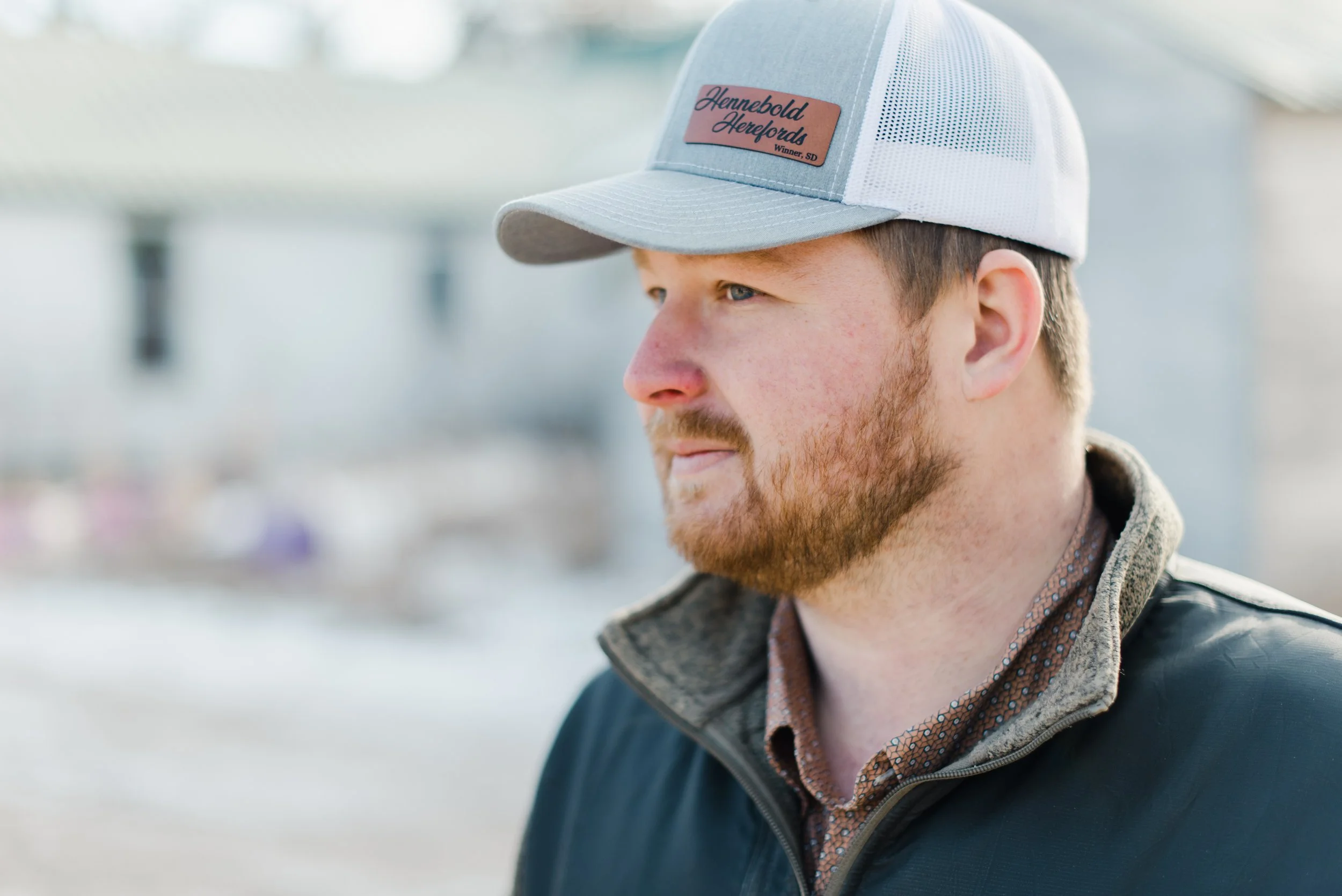
At just 23 years old, Luke Hennebold is already carrying the weight of five generations of ranching — and adding something entirely new to the family story.
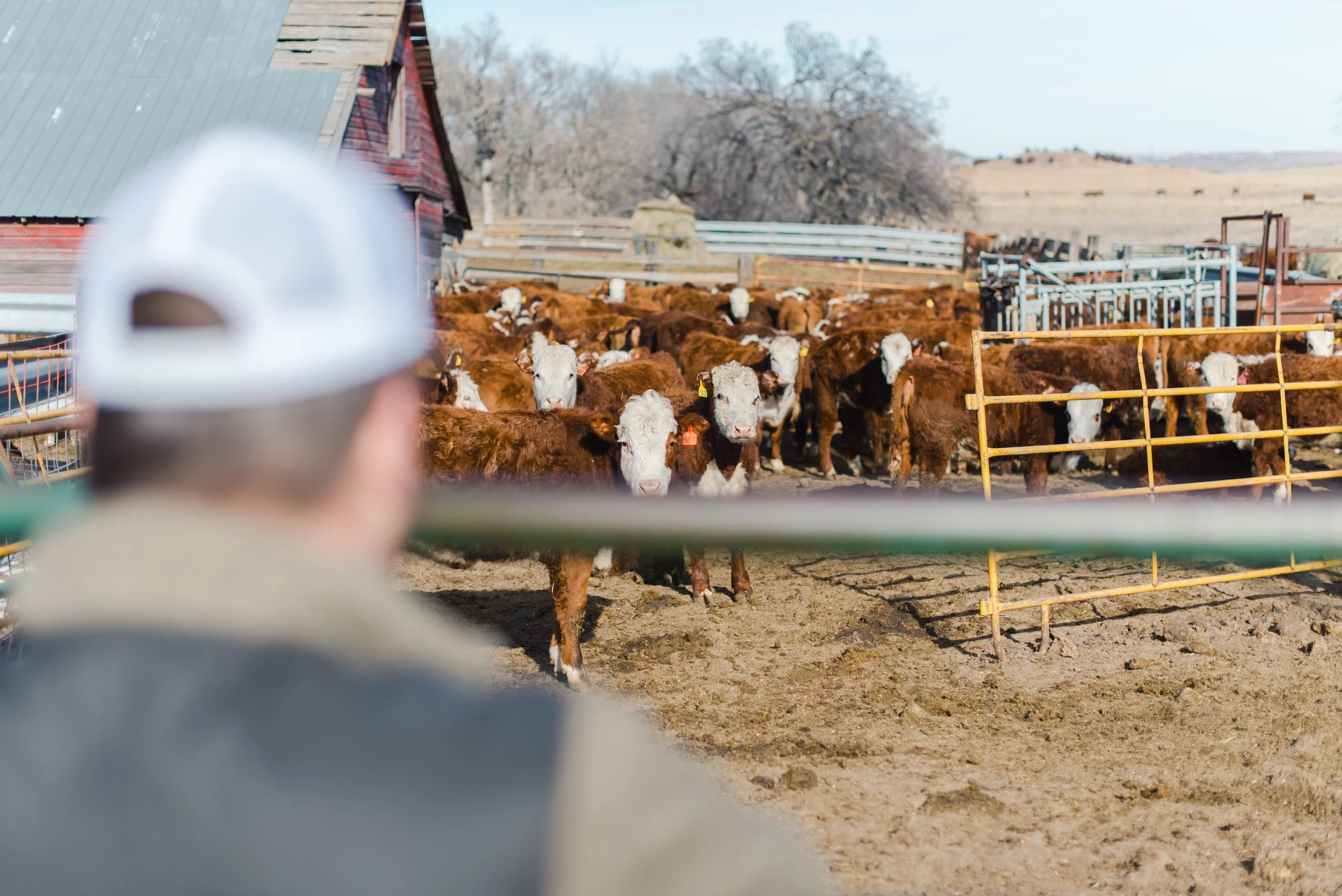
From near Winner, South Dakota, Luke represents the next generation of cattle producers who are blending tradition with intentional innovation. While his family has ranched for generations, Luke is the first to step fully into the world of seedstock production, raising hereford bulls with red angus cows to produce F1 red baldys that are marketed at the local sale barn in Winner.
Getting Started Young
Luke’s path into seedstock production started early — earlier than most.
At just 14 years old, he purchased his first registered bred heifers, marking the beginning of what would become Hennebold Herefords. What started as a small, ambitious investment quickly grew into a focused breeding program rooted in learning, observation, and patience.
He has built his program by watching his dad and grandpa manage the ranch, taking note of the practical, minimalistic approaches that keep operations running efficiently — lessons he doesn’t want to lose track of. At the same time, his college education taught him the importance of balancing that hands-on experience with solid recordkeeping and financial planning, ensuring he keeps his books straight while building a herd that performs.
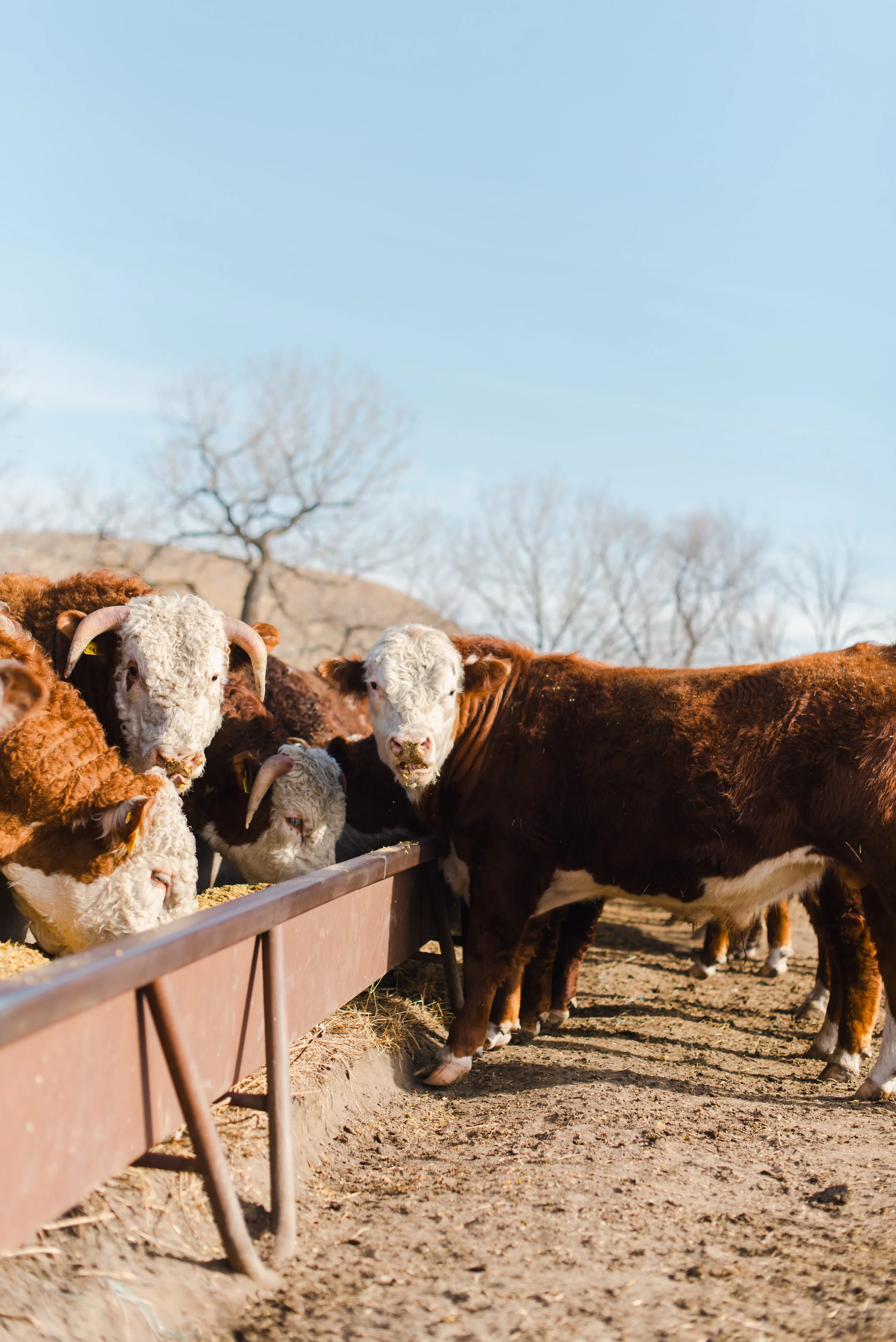
Today his herd includes both horned and polled Herefords selected for:
maternal strength
moderate frame size
muscle and performance
structural soundness
calm disposition
He closely watches how his cattle perform on grass and in feeding systems, using those observations to guide future breeding decisions.
A Different Kind of Investment
Like many young producers, Luke says his priorities have shifted as he’s taken on more responsibility in the operation.
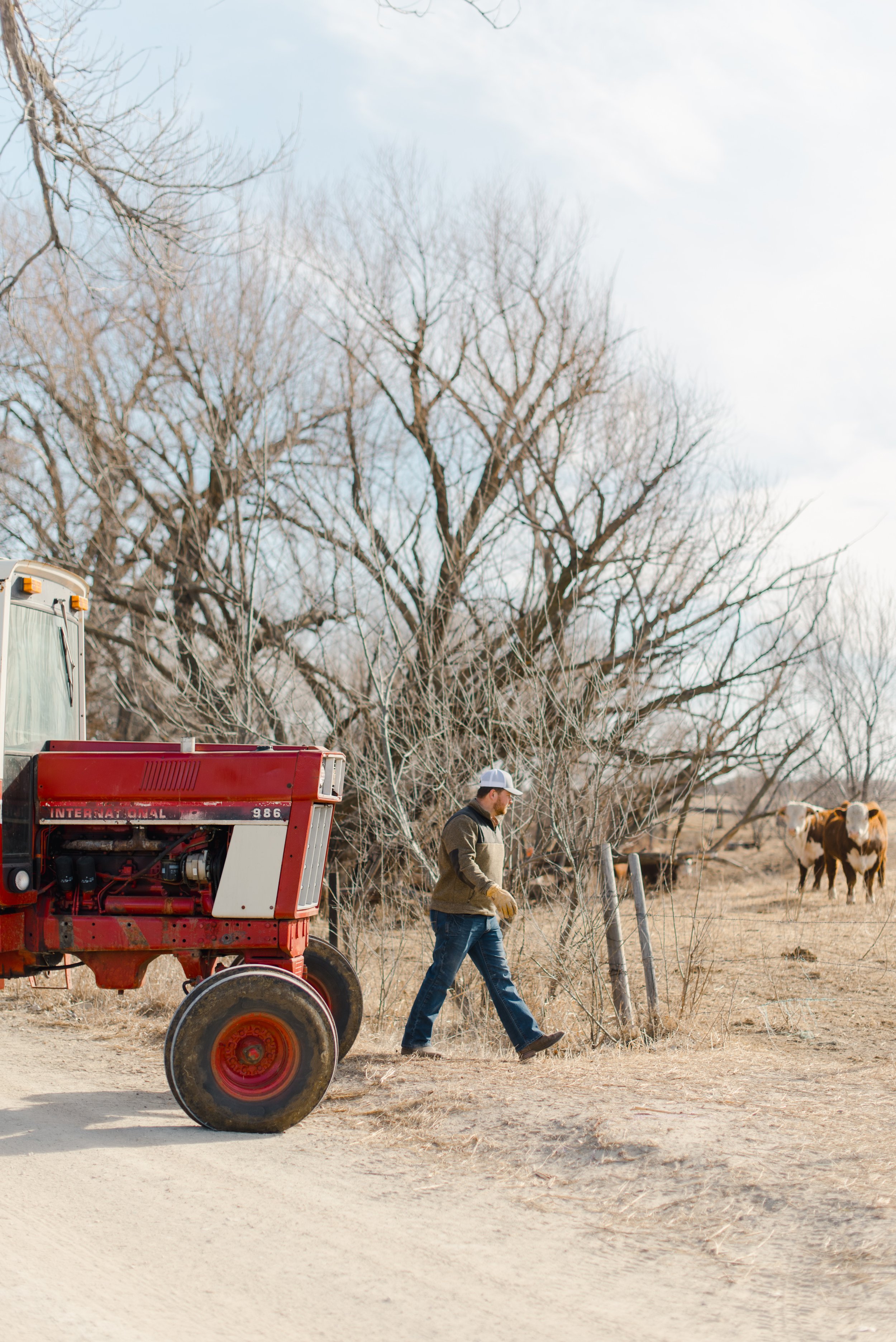
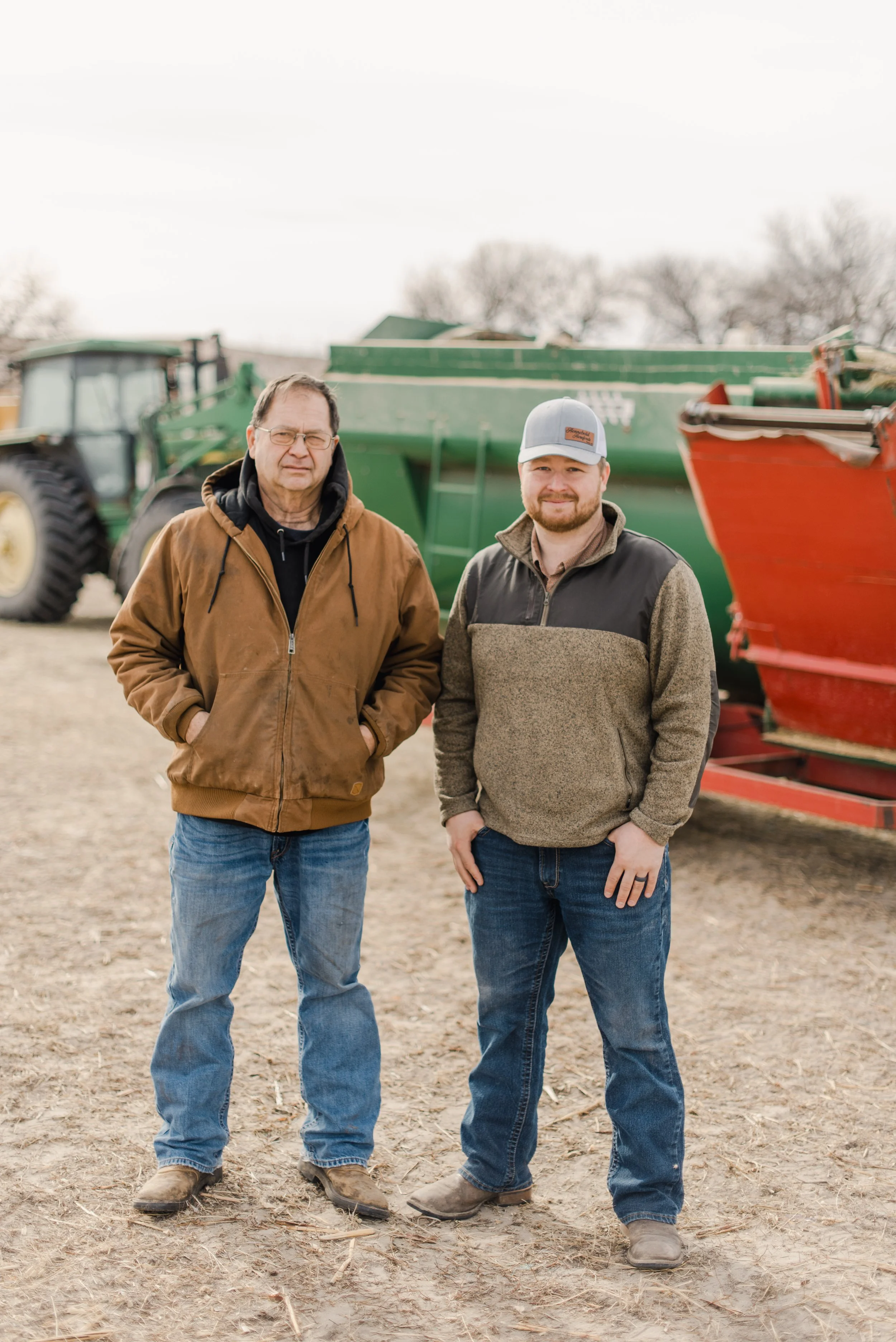
“When I was younger, it was always like oh I want the biggest, shiniest tractor out there, but at the end of the day it's not really about that, it's about what you can do with the smallest amount of input possible.”
For Luke, efficiency matters more than equipment. Careful breeding decisions, managing feed resources, and selecting cattle that thrive in South Dakota conditions matter far more than horsepower. The goal isn’t just to raise cattle — it’s to raise cattle that work for their owners and remain productive for years.
The Challenges of Starting Young
Starting a cattle operation in your early twenties comes with unique obstacles — especially when building a herd and customer base from the ground up.
“The challenge is kind of getting started in this as a young guy. Not necessarily everybody takes you seriously when you're looking for pasture or ground, the capital it takes to get started in the first place. It's all hurdles in the process, it takes a lot of time to get started and established and in terms of growth it's a slow, slow process but very rewarding in the end”.
Despite those hurdles, Luke has continued growing his operation steadily, focusing on long-term progress rather than rapid expansion.
Stewardship and the Calving Season
For Luke, ranching is about more than cattle sales. It includes stewardship of the land, animal care, and the daily responsibility that comes with raising livestock.
“My favorite thing about ranching would definitely be the selection of the bulls and the mating of that with the cows”, Luke explains. “You're here everyday, you get to see those calves hit the ground, you're up 24/7 during calving season watching things grow.”
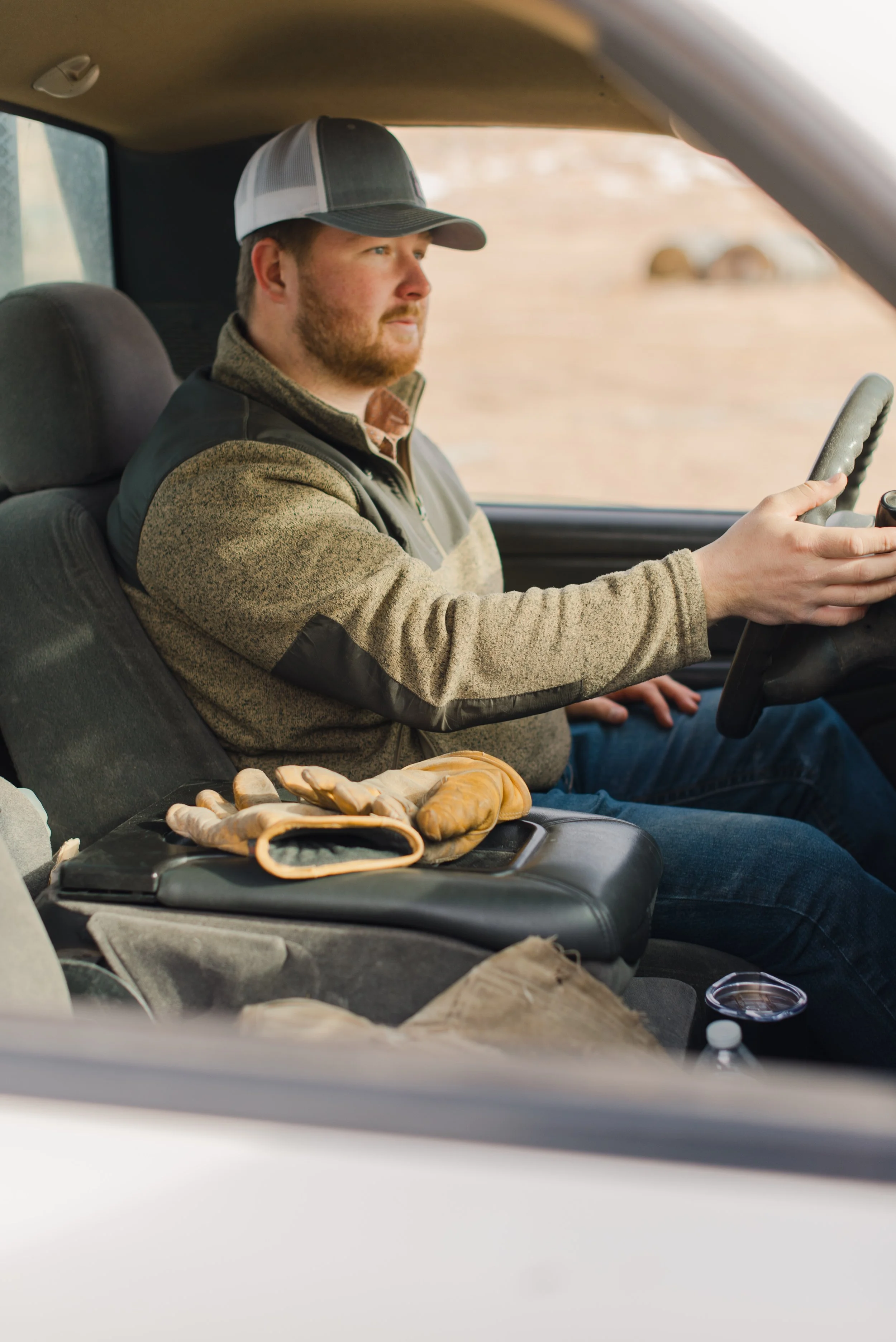
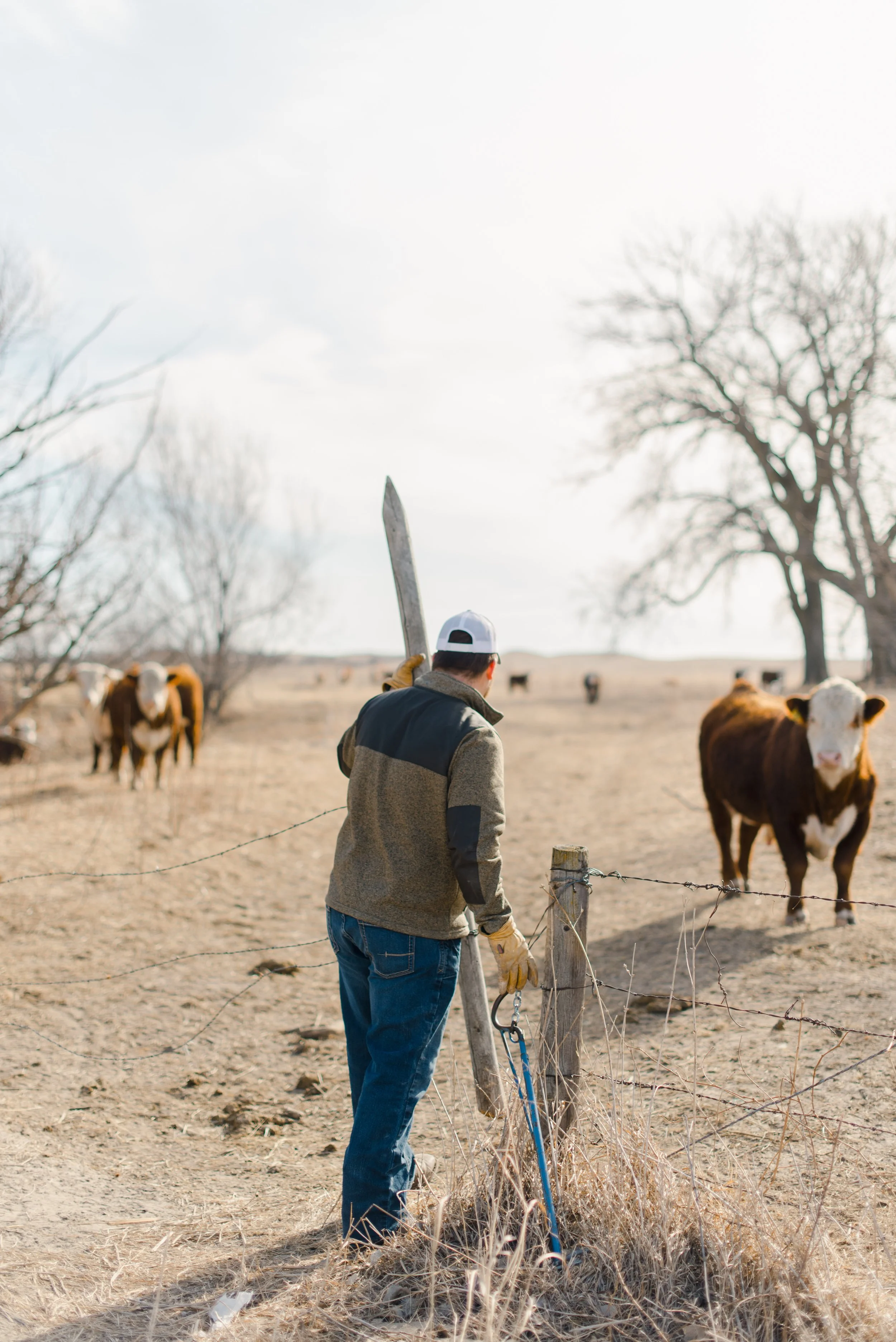
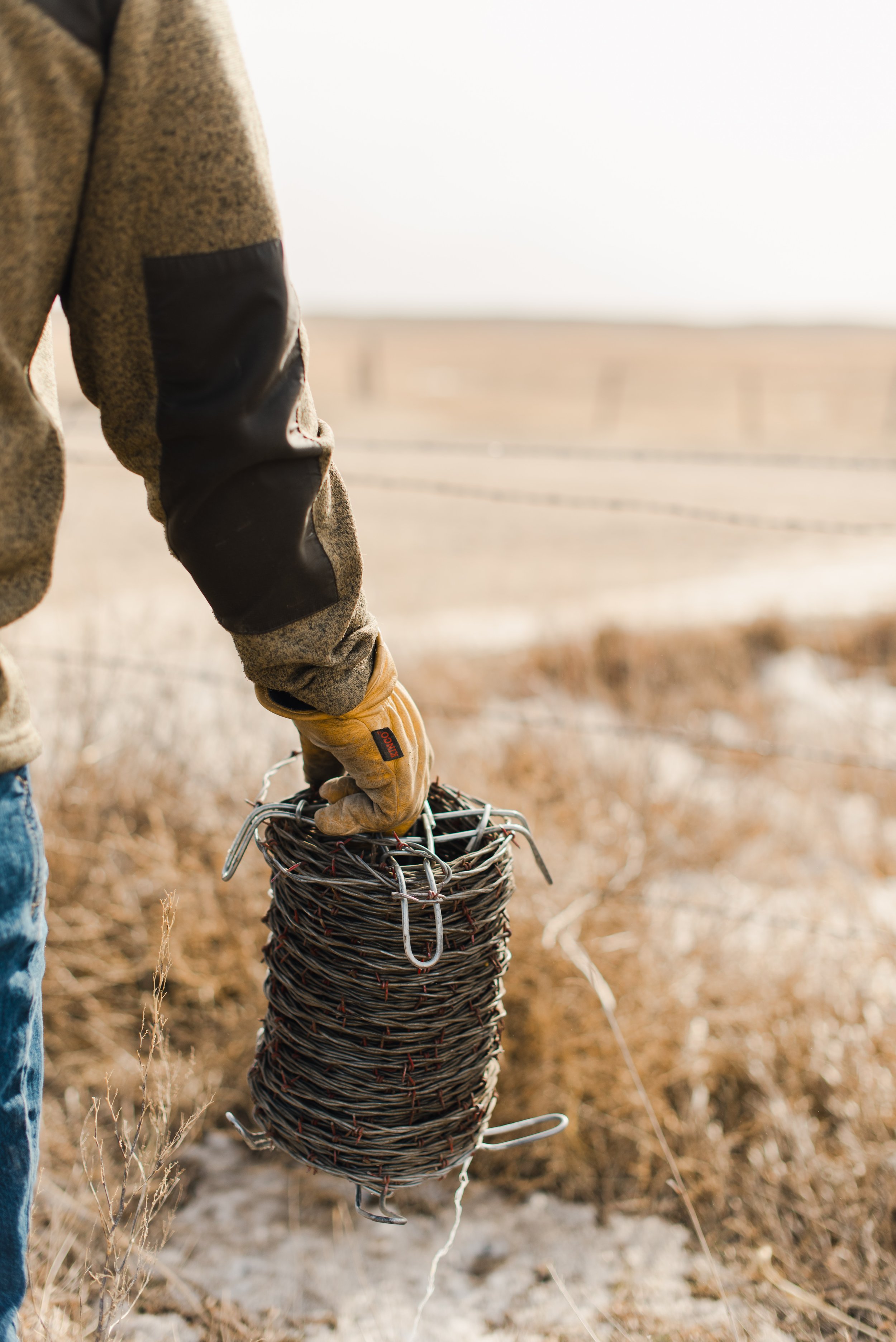
Calving season means long nights and early mornings, checking cows in all kinds of weather. Much of the work happens when few people are watching — feeding, fencing, herd health, and monitoring newborn calves — but it’s also the most rewarding part of the year.
Looking Ahead
As a fifth-generation rancher — and a first-generation seedstock producer — Luke Hennebold is building something that honors the past while investing directly in the future.
He continues to focus on cattle that perform, last, and provide value to commercial producers. Growth has been steady, intentional, and rooted in observation and stewardship.
For Luke, success is measured in longevity, trust, and seeing his genetics working in herds across the region — a quiet but meaningful sign that the next generation of South Dakota agriculture is already at work.
Interested in additional Next Generation Farmer blogs? Read “A Next Generation of the Struck Family Farm with Brady Struck”.