Next Gen Farmer: Inside Kelsey Geraets Perspective on Modern Agriculture
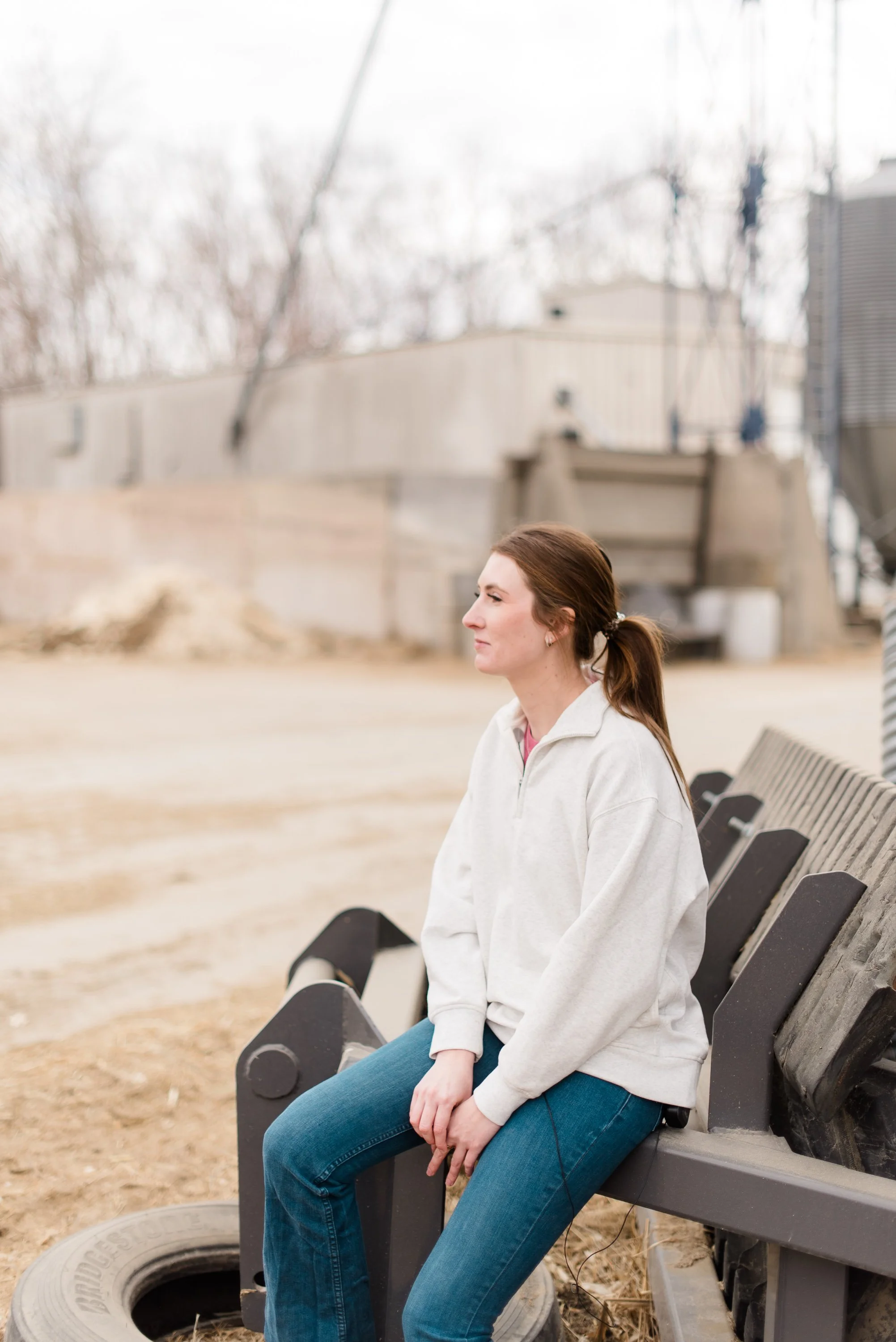
For Kelsey Geraets, agriculture has never been just a career path. It has been a way of life shaped by generations of family farming and years of hands-on experience.
“I’ve loved this place ever since I stepped foot on it,” she said, reflecting on her upbringing on her family’s operation near Colton, South Dakota.
Growing up on the farm meant early exposure to every part of the work. From riding along in equipment to pulling a red wagon through the yard as a child, Kelsey’s childhood was rooted in daily farm life. That early connection eventually turned into a professional commitment to the operation.
After leaving for college, Kelsey initially expected to pursue a different direction. But like many in agriculture, she found herself returning home.
“I kind of thought I would come back,” she said. “And my parents said if I wanted to come back, I should go to college, get new ideas, and bring them back with me.”
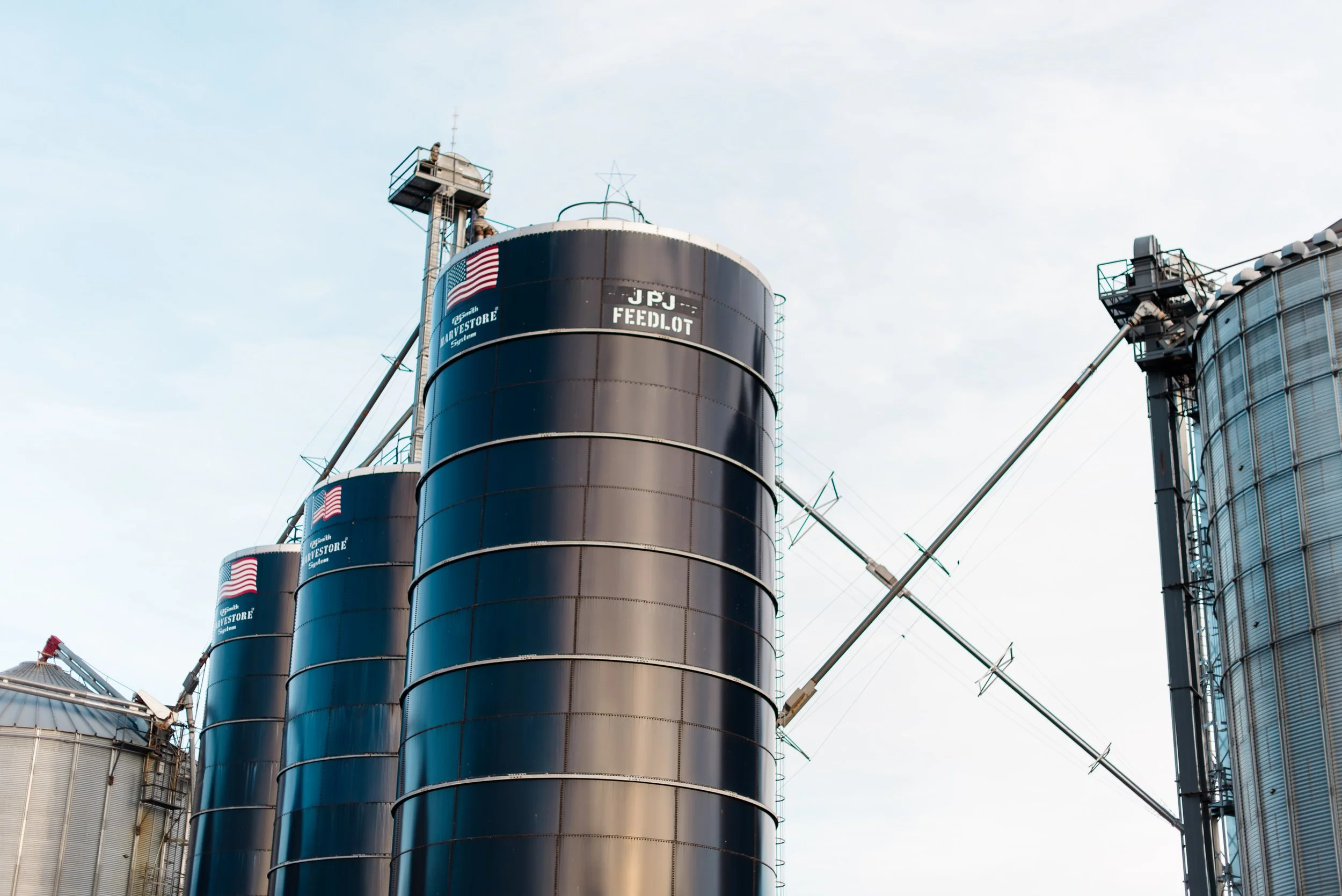
Today, she works alongside her family, helping manage the feedlot and supporting the broader row crop operation, which includes corn, soybeans, wheat, and alfalfa.

Life as a Feedlot Manager
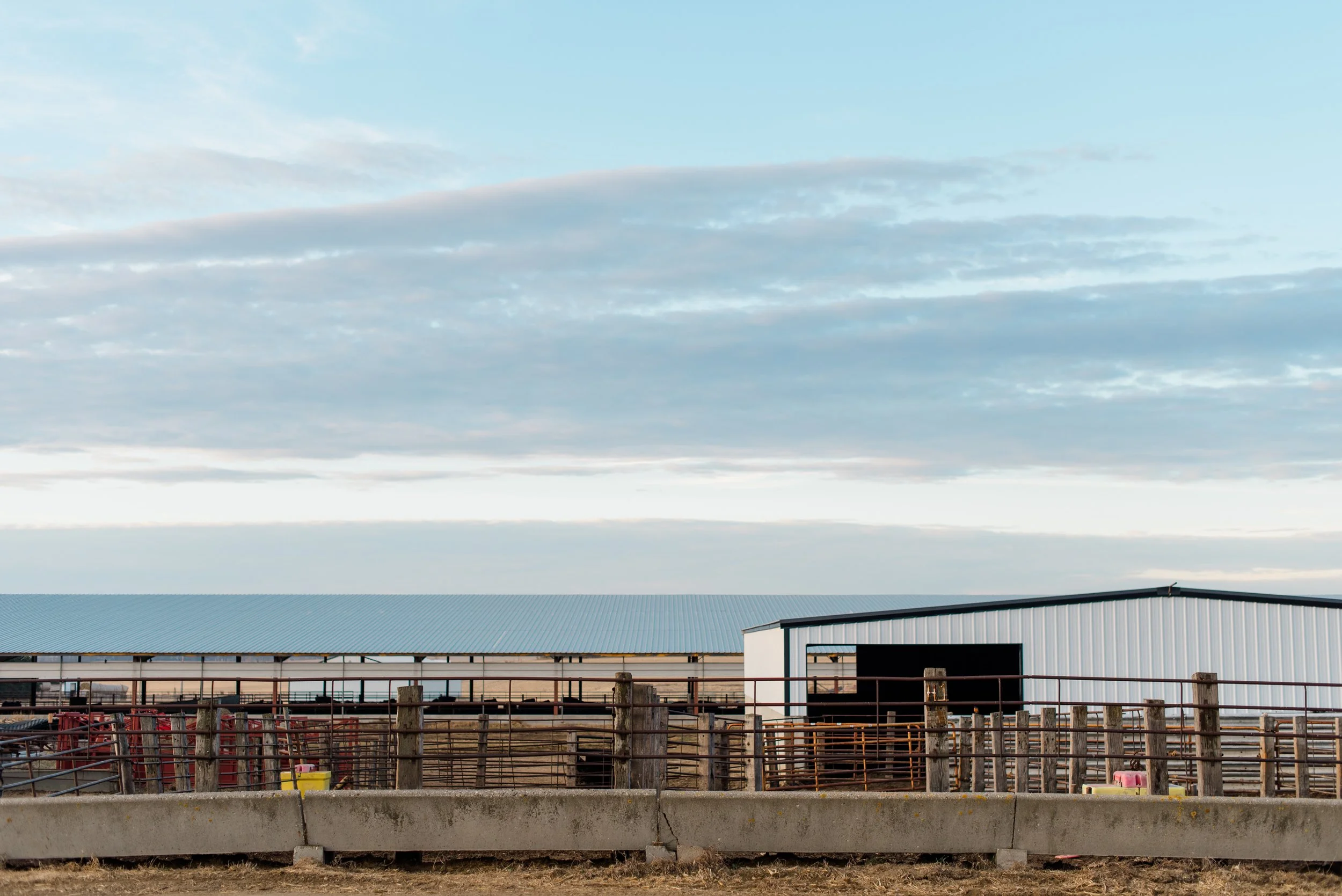
As a feedlot manager, Kelsey’s day-to-day responsibilities center on animal care, observation, and decision-making. Her work begins with feeding cattle and continues through constant monitoring of herd health and behavior.
“The most important thing to me when managing a feedlot is that the cattle are healthy, happy, and well taken care of,” she said.
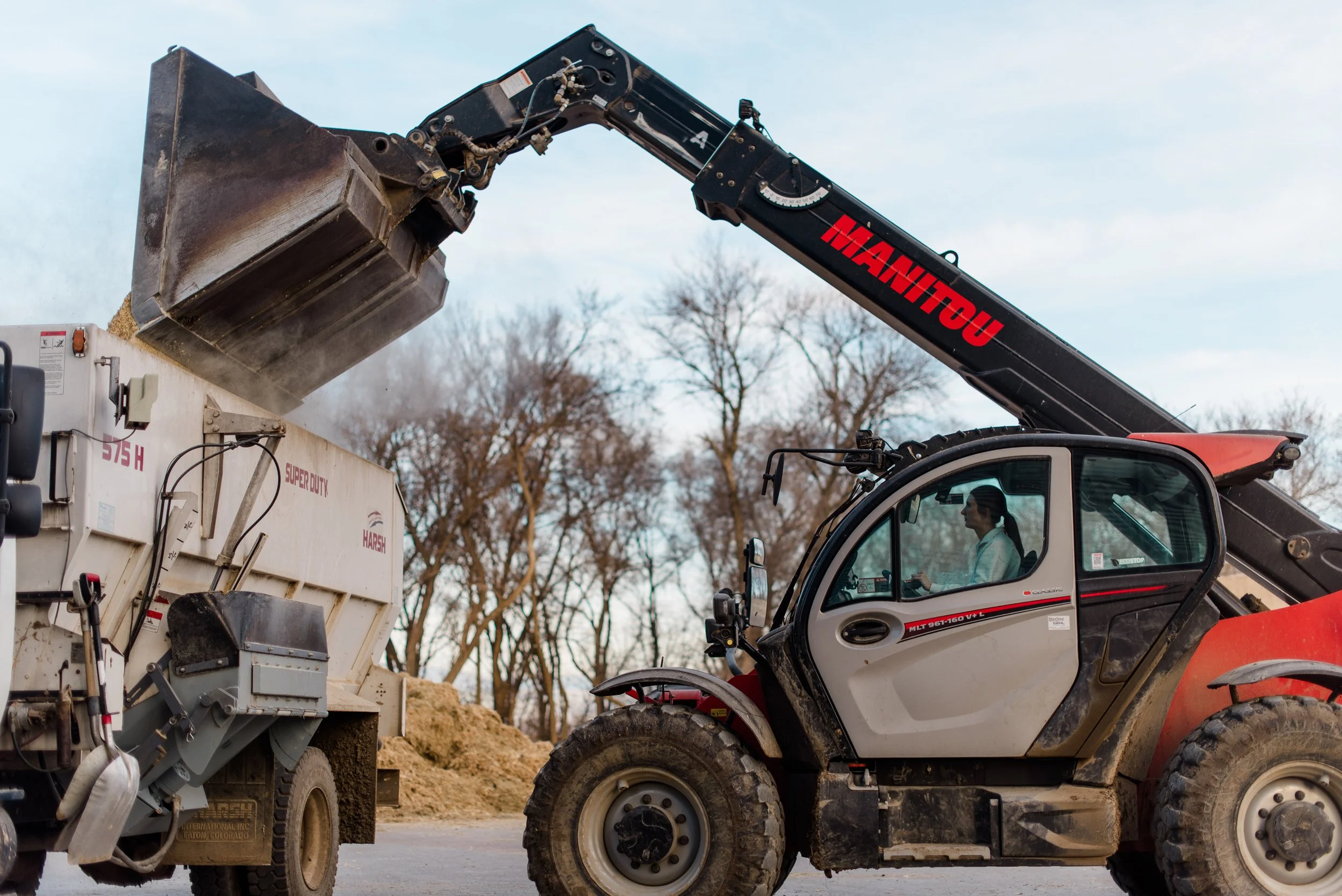
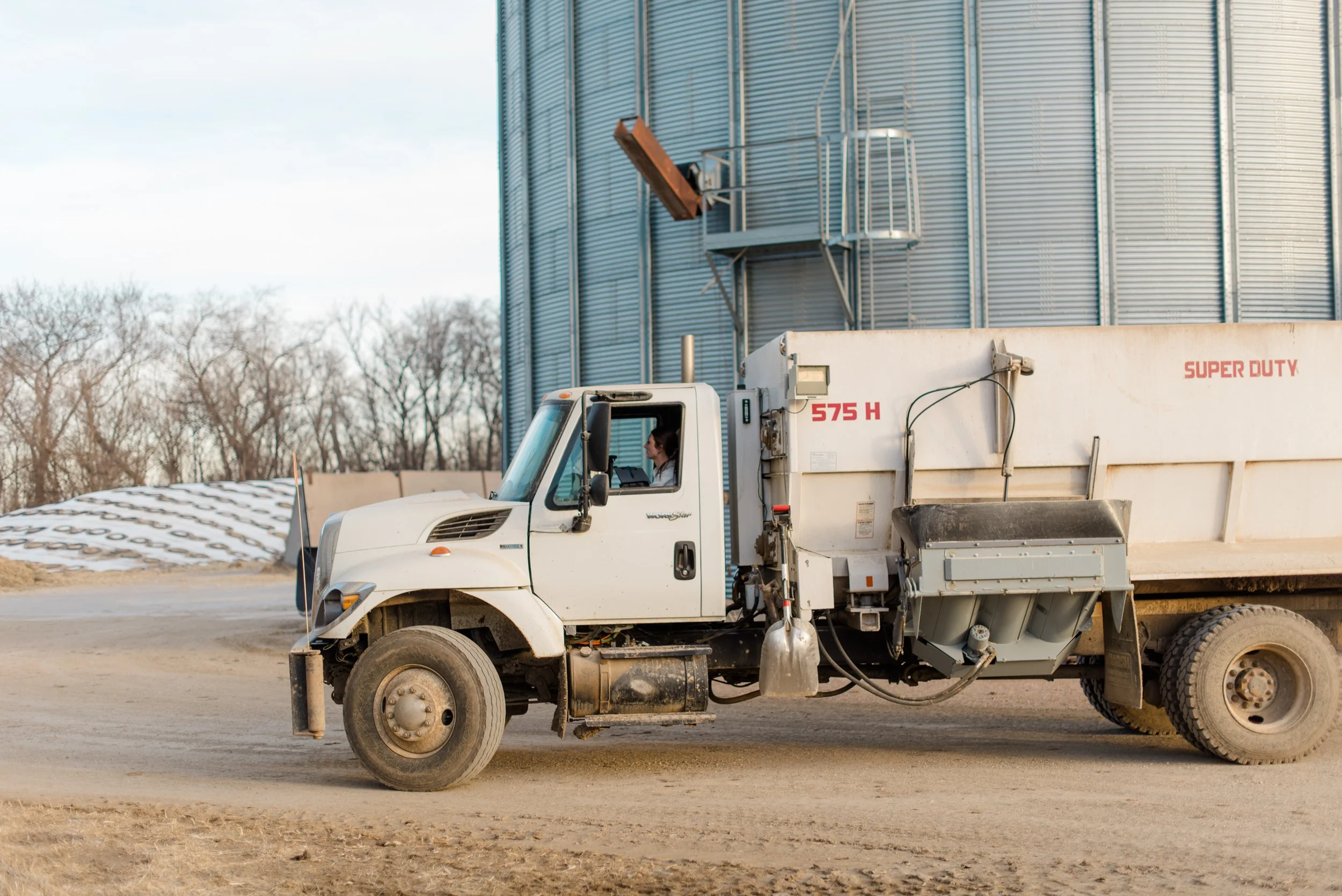
Much of her time is spent in equipment such as the feed truck, where she observes cattle behavior closely. Those observations help guide decisions throughout the day, from feed management to identifying potential health concerns early.
“It’s pretty easy for me to read cattle when I pull up with the feed truck,” she said. “If cattle are running around having a good time and wanting to eat, I know they’re feeling good.”
Alongside physical care, organization plays a role as well. Kelsey often uses time in the loader or feed truck to plan her day, listen to podcasts, and stay informed on both agriculture and topics outside of farming. That balance, she said, helps her maintain perspective in a demanding role.
An Industry Built on Commitment and Innovation
Kelsey describes agriculture as an industry made up of committed people who depend on consistency and teamwork to get the job done.
“We are an industry of fully committed people,” she said. “We make sure the job is done every day and we are committed to doing it together.”
At the same time, she recognizes how the industry has evolved. Labor demands have increased over time, and expectations for efficiency continue to grow.
Her father once told her that earlier generations were expected to do the work of multiple people, and that today’s producers may be asked to do even more.
“There is a lot of work that goes into it,” she said. “Thankfully technology is getting to a point where that helps out a lot, but it is definitely still a challenge.”
Advancements in equipment, data, and management tools have helped improve efficiency, but Kelsey notes that agriculture still relies heavily on skilled people making daily decisions in real time.
Leadership and Life as a Woman in Agriculture
Kelsey’s experience in agriculture has also included navigating the challenges of being a woman in a traditionally male-dominated industry. While the work has not always been easy, she credits those experiences with strengthening her mindset and resilience.
Being named Dakotafest Farmer Rancher Woman of the Year in 2023 was a meaningful milestone in her journey.
“I was very surprised,” she said. “I was put up against some women who have done a lot in this industry. I was thankful and grateful, and it gave me a lot of courage.”
For Kelsey, recognition is less about individual achievement and more about representing the broader role women play in agriculture today.


Connecting Agriculture and Consumers
Kelsey believes one of the most important shifts in agriculture today is the growing public interest in where food comes from. She sees social media as a key tool in bridging that gap.
“A very hopeful part of the future of agriculture comes from people wanting to actually know where their food comes from,” she said. “Social media has definitely helped us do that.”
By sharing day-to-day farm life, producers can offer transparency into how animals are cared for and how food is produced. Kelsey believes that visibility helps build trust and understanding between producers and consumers.
“It is important that people can see our passion and that we care about the food that we put in front of them,” she said.
Preparing for the Future
Like many next generation producers, Kelsey is also thinking about the future of her family’s operation. That responsibility brings both motivation and pressure.
At times, she admits the weight of that responsibility can feel overwhelming. But a shift in perspective has helped her approach it differently.
“Someone once told me that pressure is a privilege,” she said. “That really changed how I see things. I am blessed to be here.”
That mindset has helped her recognize the opportunity she has to continue her family’s legacy while contributing to the future of agriculture in her own way.
A Legacy in Progress
From raising bottle calves as a child to managing a feedlot today, Kelsey’s journey reflects both tradition and progress in modern agriculture. Her story highlights the balance between hard work, innovation, and family connection that defines many farming operations across the Midwest.
As she looks ahead, her focus remains on the same principles that have guided her since the beginning: animal care, responsibility, and commitment to the work.
“I am blessed to be here,” she said. “And I am not going to take that lightly.”
Read more Next Generation Blogs here.