Strong Farms Help Feed Strong Communities
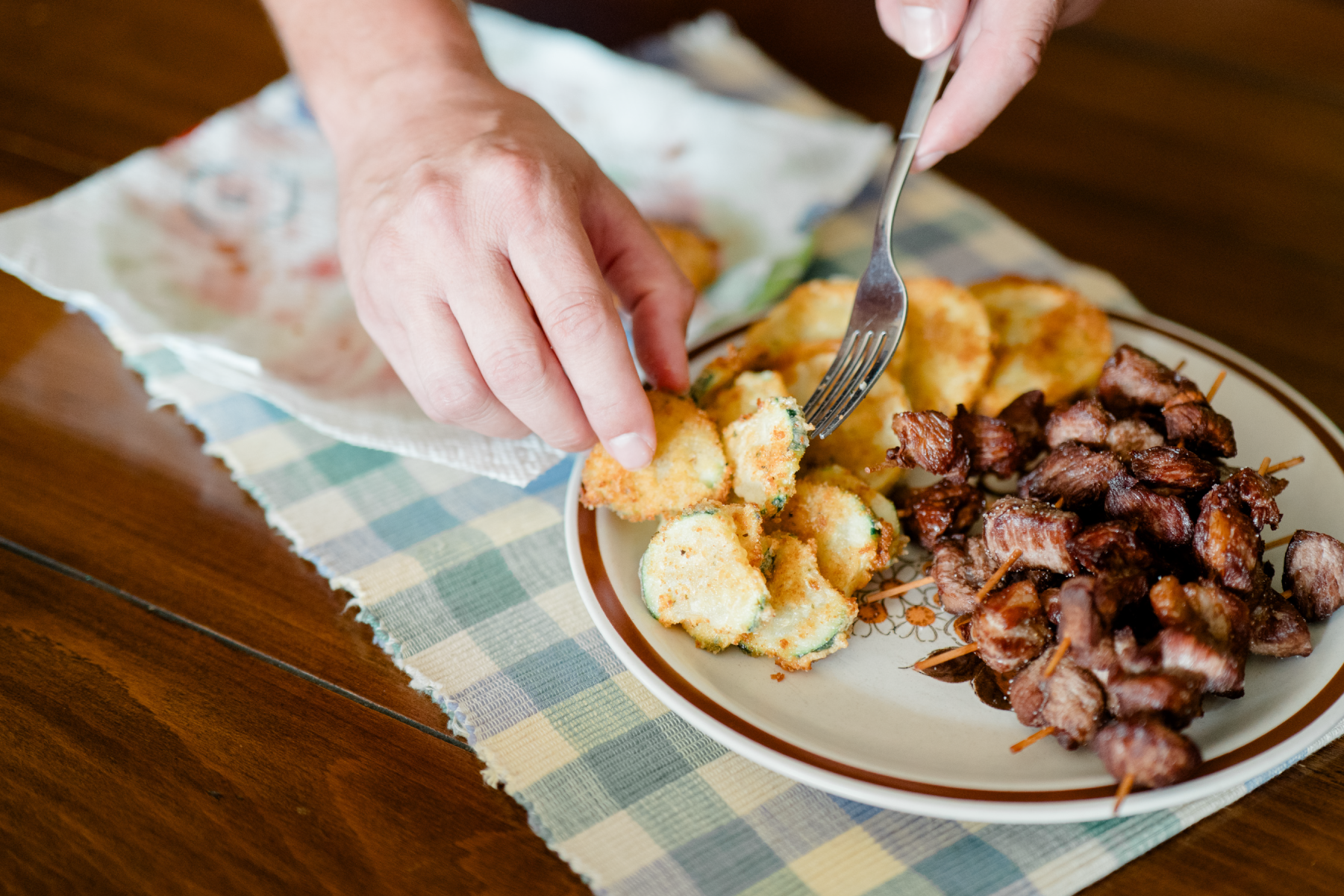
When you sit down for a meal, how often do you think about where your food came from? Maybe you think about the grocery store where you bought it, the recipe you followed or the people you’re sharing it with. But long before food reaches your kitchen, there’s a farmer working behind the scenes.
From the soybean fields across South Dakota to the livestock raised on family farms, farmers play an important role in growing the food, ingredients and resources that communities rely on every day. Agriculture isn’t just about what happens on the farm. It’s connected to our food, our communities and our everyday lives.
Where Does Our Food Come From?
It’s easy to think of food as beginning at the grocery store. In reality, the journey starts much earlier. A bag of soybeans begins as a seed planted in the soil. Corn begins as a seed carefully planted and nurtured throughout the growing season. Cattle and other livestock require daily care, nutritious feed and attention from the farmers who raise them.
Farmers make decisions throughout the year to help their crops and livestock thrive. They watch the weather, care for their soil, monitor crops, manage livestock and use technology to make informed decisions.
For example, South Dakota farmers grow a variety of crops, including soybeans, corn, wheat, sunflowers and alfalfa. These crops can become food for people, feed for livestock and ingredients used in products we use every day.
Curious about what happens to soybeans after they leave the field? Learn how soybeans make their way from harvest to food and other products.
The journey from farm to table may look different depending on the food, but it all starts with agriculture.
Farmers Do More Than Grow Food
Farmers are often described as the people who grow our food, and that's certainly an important part of what they do. But farming is much bigger than that.
Farmers are business owners, caretakers of the land, livestock managers, problem-solvers and members of their communities. Many also work alongside family members, carrying on traditions that have been passed down through generations while adopting new technology and practices for the future.
In South Dakota, nearly 30,000 farms and ranches are home to farmers and ranchers who grow crops and raise livestock. Many of those operations are family farms, with generations working together to build something that can continue into the future.
Take a look at the stories of South Dakota farmers to meet some of the people behind the food and agriculture you see around you.
These stories show that there isn't one single way to farm. Every operation is different, and every farmer brings their own experiences, goals and challenges to the job.
Agriculture Helps Strengthen Communities
Strong farms can help create strong communities. Farming supports more than the people working directly on the farm. Agriculture is connected to local businesses, equipment dealers, transportation, processing facilities, restaurants and many other parts of the economy. But the connection goes beyond economics.
Farmers are our neighbors, friends and family members. They coach youth sports, serve on local boards, volunteer in their communities and support the places they call home.
Agriculture also creates a connection between generations. Many South Dakota farms have been passed down through families, with each generation learning from the one before it while finding new ways to move the operation forward.
Take Jordan Scott’s fifth-generation family farm, for example. His story is one of family, resilience and continuing a farming legacy while raising the next generation.That connection to family and community is one of the things that makes agriculture such an important part of South Dakota.
Farmers Are Also Stewards of the Land
Growing food starts with healthy land. Farmers depend on their soil year after year, which means taking care of it is an important part of keeping a farm productive for future generations.Farmers use a variety of practices to care for their land, depending on their operation, location and goals. These can include crop rotation, cover crops, no-till farming, shelterbelts and other conservation practices.
For example, South Dakota soybean farmers may use cover crops to help improve soil structure and manage moisture before planting soybeans. Learn more about how cover crops can support soil health in South Dakota.
No-till farming is another practice some farmers use to help protect the soil by leaving crop residue on the field rather than mechanically disturbing the soil through traditional tillage. Take a closer look at no-till farming in South Dakota. For many farmers, caring for the land isn't just about this year's crop. It's about making sure the farm can continue producing food for the next generation.
Understanding Agriculture Starts With Asking Questions
You don't have to grow up on a farm to have questions about agriculture. In fact, asking questions is one of the best ways to better understand where our food comes from.
What does a farmer do during planting season? How are crops protected? What happens during harvest? How does a soybean become food? How do farmers care for livestock? What happens to a crop after it leaves the farm?
These are the kinds of questions that help connect all of us to the people and processes behind our food. That's why we are focused on opening conversations between South Dakotans and the farmers who grow and raise their food.
Through farmer stories, educational resources and opportunities to visit farms, we're helping bring the food system a little closer to home. Explore more South Dakota farmer stories and meet the people behind agriculture.
Strong Farms, Strong Communities
The next time you sit down for a meal, take a moment to think about everything that had to happen before that food reached your plate.
A seed had to be planted. A crop had to be cared for. Livestock had to be raised. Decisions had to be made. Weather had to be watched. Harvest had to happen. And countless people had to work together to move food from the farm to our tables.
At the center of it all are farmers. Strong farms help provide the food and resources we depend on. They help support local communities, care for the land and carry agricultural traditions into the future.And that's something worth knowing more about.
Want to learn more about where your food comes from? Explore more stories, facts and farmer perspectives from Hungry for Truth.