If you’ve ever wondered about the difference between a farmer and a rancher, you’re not alone. The two terms are sometimes used interchangeably, but farming and ranching can involve very different day-to-day responsibilities.
Both are important parts of agriculture, and both require hard work, long days and a willingness to adapt to whatever the weather brings. So, what exactly sets them apart?
Let’s take a closer look at what is a farmer, what is a rancher, and where the two overlap.
What Is a Farmer?
Generally speaking, a farmer is someone who grows crops, raises animals or manages agricultural land to produce food and other agricultural products.
Crop farmers may grow everything from corn and soybeans to wheat, fruits and vegetables. Some farmers also raise livestock, which means the line between farming and ranching isn't always clear-cut.
In South Dakota, farmers grow crops and raise livestock that help provide food, feed and other products for people across the state and beyond. Learn more about South Dakota farmers and the work they do.
For crop farmers, the growing season involves much more than planting and harvesting. Farmers make decisions throughout the year about things like soil health, crop varieties, planting dates, weed and pest management, water and harvesting.
Farmers also use technology to help make informed decisions. GPS-guided equipment, soil sampling and precision agriculture tools can help farmers monitor their fields and use resources more efficiently.
And farming doesn't stop once crops are in the ground. Throughout the growing season, farmers monitor weather, soil conditions and crop health while adjusting their plans as needed. Take a behind-the-scenes look at what farmers are doing during the growing season.
What Is a Rancher?
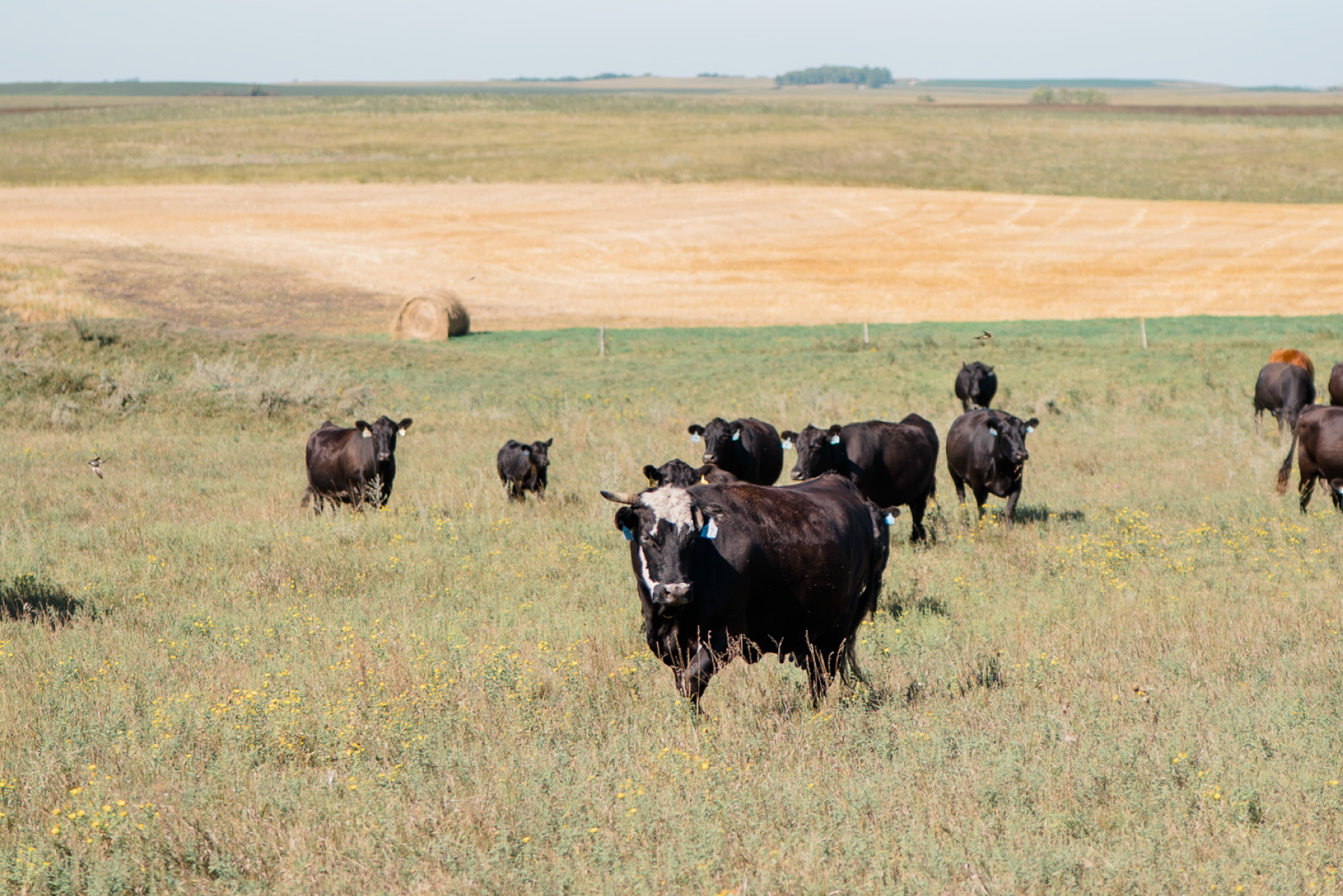
A rancher is someone who raises and cares for livestock, often on pasture or rangeland.
Ranchers may raise cattle, sheep, goats, bison and other livestock. Their work centers around caring for animals and managing the land where those animals graze.
Daily ranching responsibilities can include checking livestock, providing feed and water, monitoring animal health, managing pastures and maintaining fences and equipment. Ranchers may also work with veterinarians, animal nutritionists and other agricultural professionals to support animal health.
Ranching can look different depending on the operation, location and type of livestock being raised. Some ranchers may rely heavily on grazing, while others use a combination of pasture and supplemental feed.
For a real-world example, check out Next-Generation Ranching: Luke Hennebold’s Seedstock Journey, which shares the story of a young South Dakota rancher building his own seedstock operation.
Farming vs. Ranching: What’s the Difference?
The biggest difference when it comes to farming vs. ranching generally comes down to what is being produced.
Farmers often focus on growing crops, while ranchers generally focus on raising livestock.
That said, agriculture isn't always divided into two neat categories. Some farms raise livestock, and many agricultural operations include both crops and animals. A producer, for example, may grow soybeans and corn while also raising cattle.
The land itself can also look different. Crop farms often include fields where crops are planted and harvested, while ranches may include pasture and rangeland where livestock graze.
The equipment and daily responsibilities can vary, too. A crop farmer might spend part of the day operating a planter or combine, while a rancher may spend the day checking cattle, moving livestock or maintaining fences and pasture.
If you're interested in seeing how modern livestock care fits into agriculture, learn more about animal husbandry and how farmers care for livestock.
Farmers and Ranchers Work Together in the Food System
One of the easiest ways to understand farming and ranching is to look at how both fit into the larger food system.
Farmers produce many of the crops that become the foods we eat and the ingredients used in other products. Ranchers raise livestock that provide foods such as beef, while livestock agriculture also contributes materials used in products beyond the grocery store.
In many cases, crops and livestock agriculture are connected. Crops can be used as livestock feed, while livestock manure can contribute nutrients to agricultural soils. Some producers grow crops and raise livestock on the same operation.
Soybeans are one example of how crop and livestock agriculture can connect. After soybeans are processed for their oil, the remaining soybean meal is an important source of protein in livestock feed. Follow the journey of soybeans from the field to livestock feed.
So while farming and ranching aren't exactly the same, they're both part of a much bigger agricultural picture.
Farmers and Ranchers: Different Jobs, Shared Purpose
When it comes to farming vs. ranching, the main distinction is what producers typically focus on. Farmers often grow crops, while ranchers primarily raise and care for livestock.
But there's plenty of common ground. Both depend on the land, adapt to unpredictable weather, care for valuable resources and work hard to produce food and other products people rely on every day.
Want to learn more about the distinction between these agricultural careers? Kansas Farm Food Connection offers another helpful look at the difference between a farmer and a rancher.
Whether they're planting a field, checking cattle or making plans for the next growing season, farmers and ranchers play an important role in agriculture and in the food system that connects all of us.