Sustainable Farming Practices: Terry Jaspers’ Commitment to the Land
For Terry Jaspers, farming has always been a part of who he is.
“I’ve always loved agriculture, and I got involved at a very young age. It’s always been part of me. I’m a farm boy.”
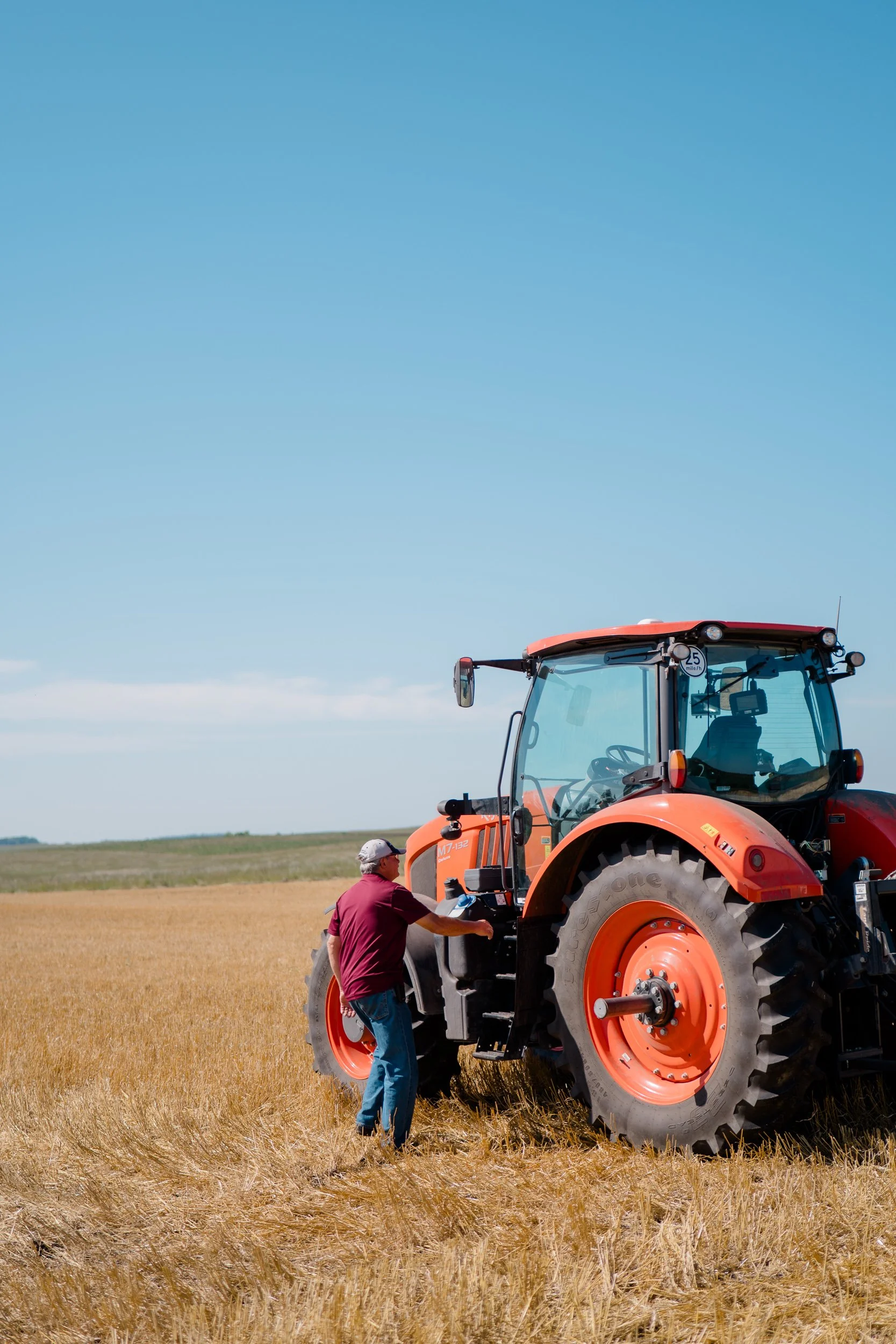
Today, Terry farms near Eden, South Dakota, in southeastern Marshall County. He farmed part-time for most of his life before retiring from his full-time career five years ago and becoming what he calls a “full-time farmer.”
While Terry enjoys being back on the farm full time, farming is about more than just growing a crop. For him, it’s about making the most of the land while taking care of it along the way.
Taking Care of the Land
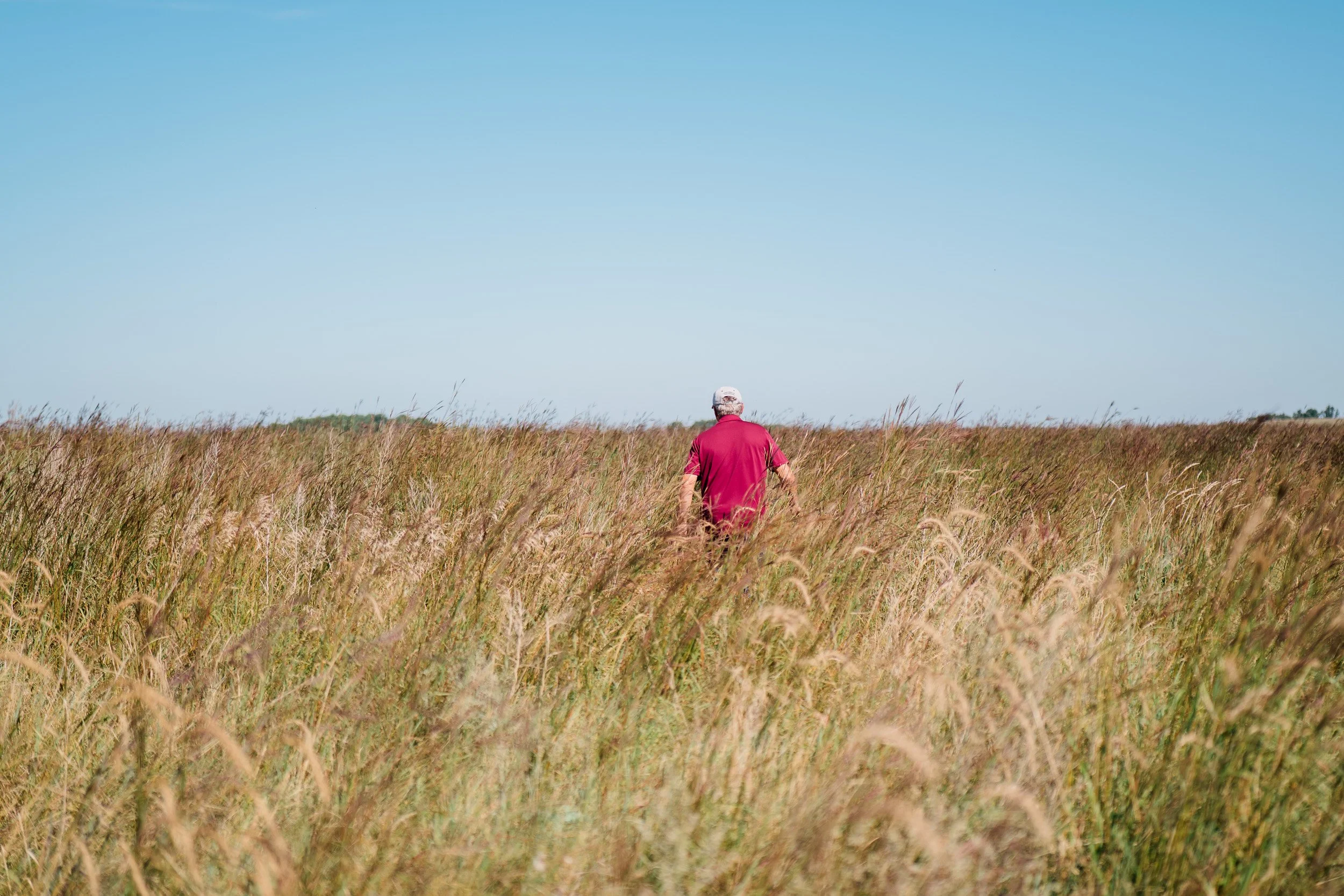
One of the ways Terry does that is through sustainable farming practices like no-till farming.
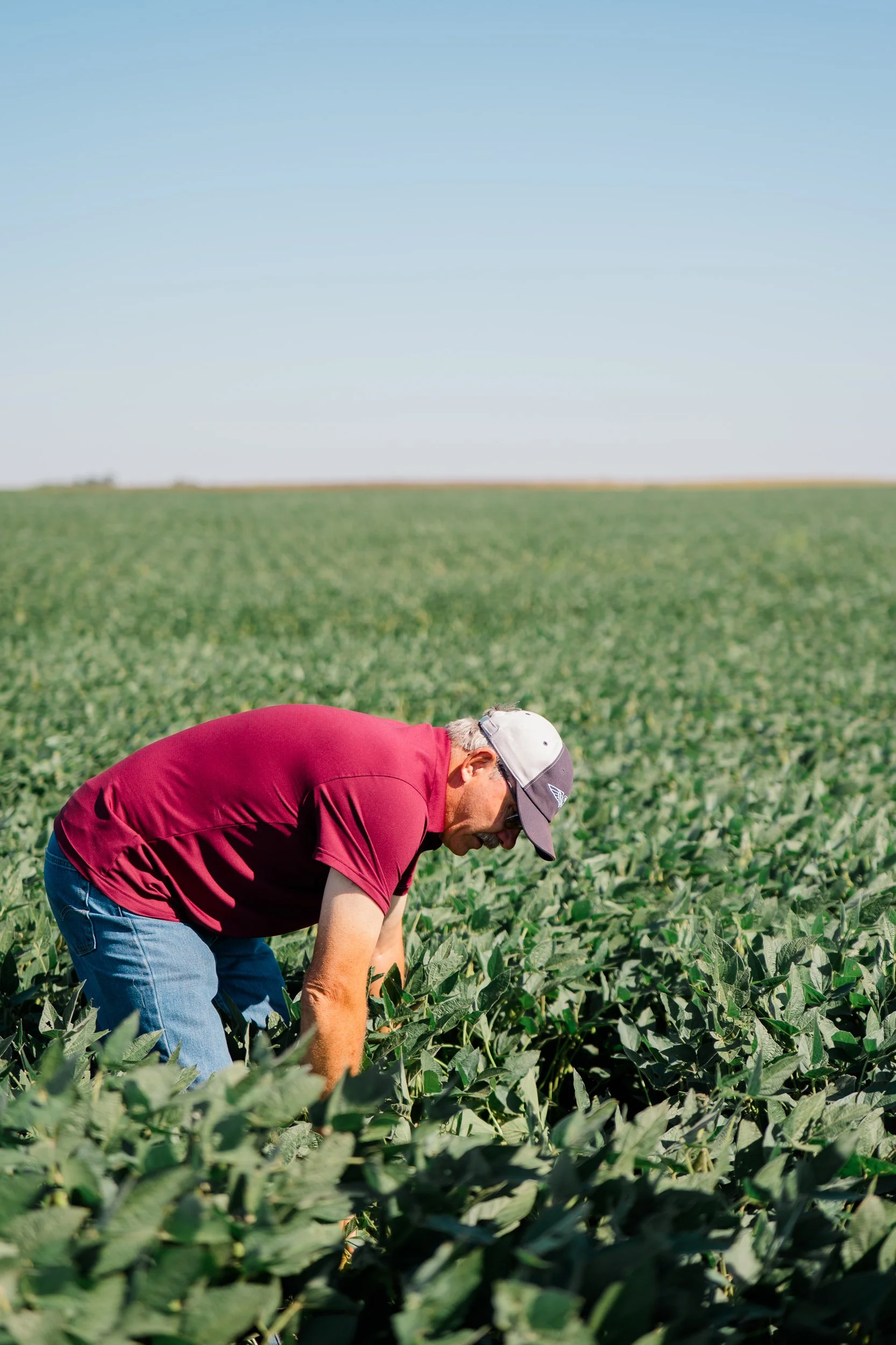
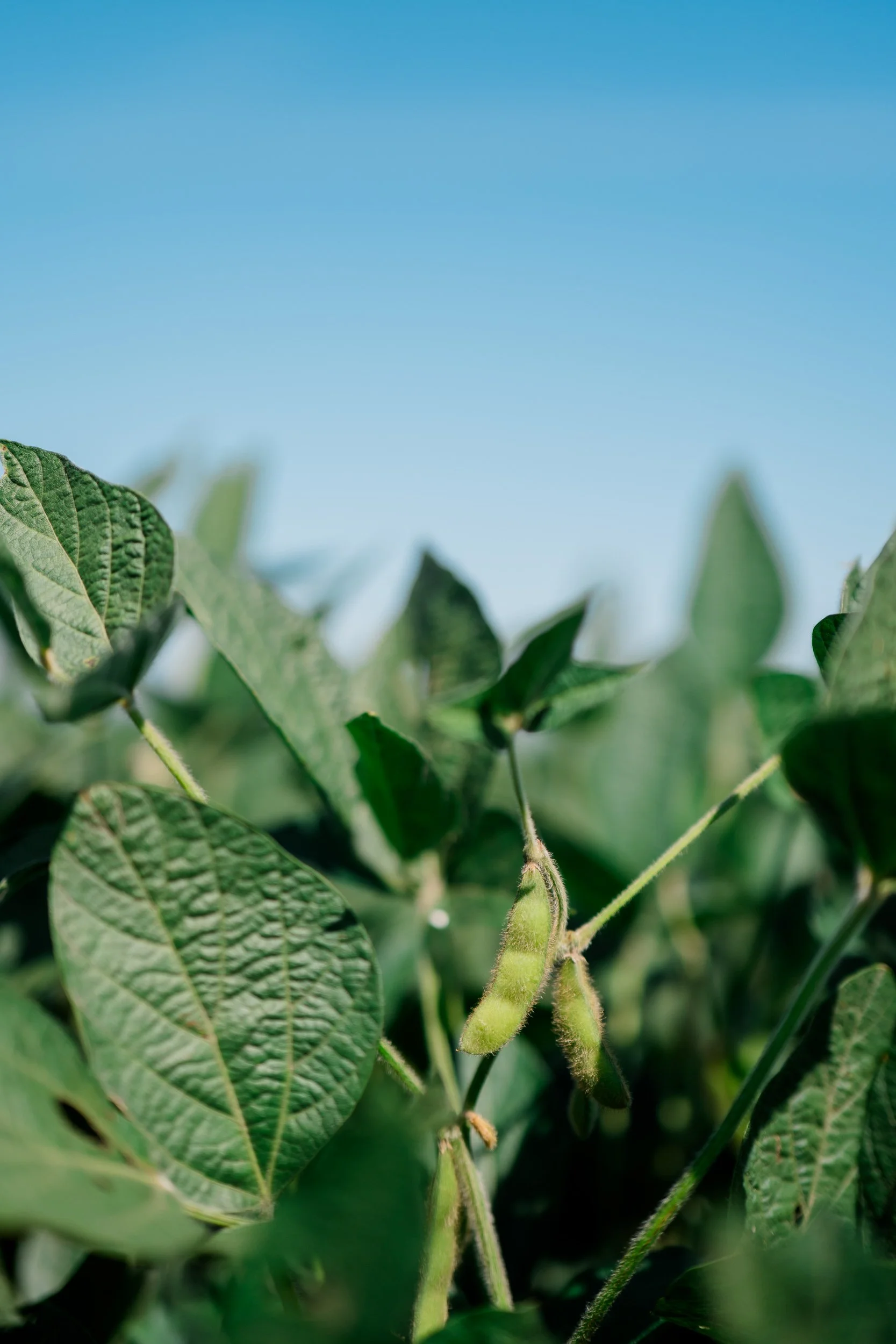
Terry has been no-tilling on his farm for more than 30 years. Instead of turning over the soil each year, he plants soybeans directly into the residue left behind from previous crops, including wheat and corn.
That crop residue might not look like much, but it plays an important role in the field.
No-till farming helps Terry reduce the amount of machinery and labor needed on the farm while also helping protect the soil from erosion. And because his farm has some rocky areas, no-till means less time spent working around rocks, too.
For Terry, it’s about finding ways to make the farm work efficiently while also caring for the resources he depends on.
“We look at the land resources and we use the land so that it provides the maximum financial benefit to us, but at the same time, conserving the resources that are here.”
Making the Most of Every Acre
Terry doesn’t believe every piece of land needs to be farmed.
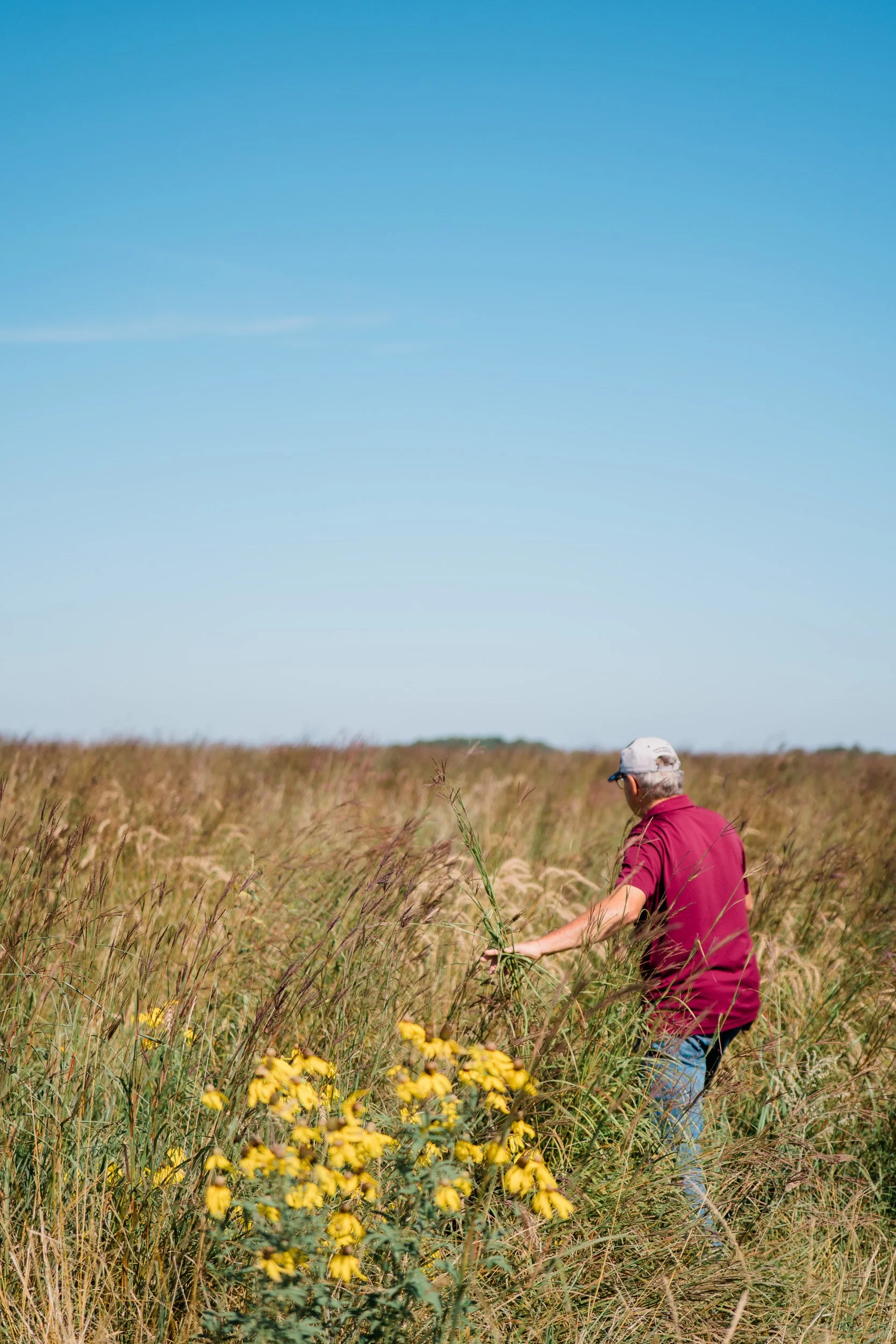
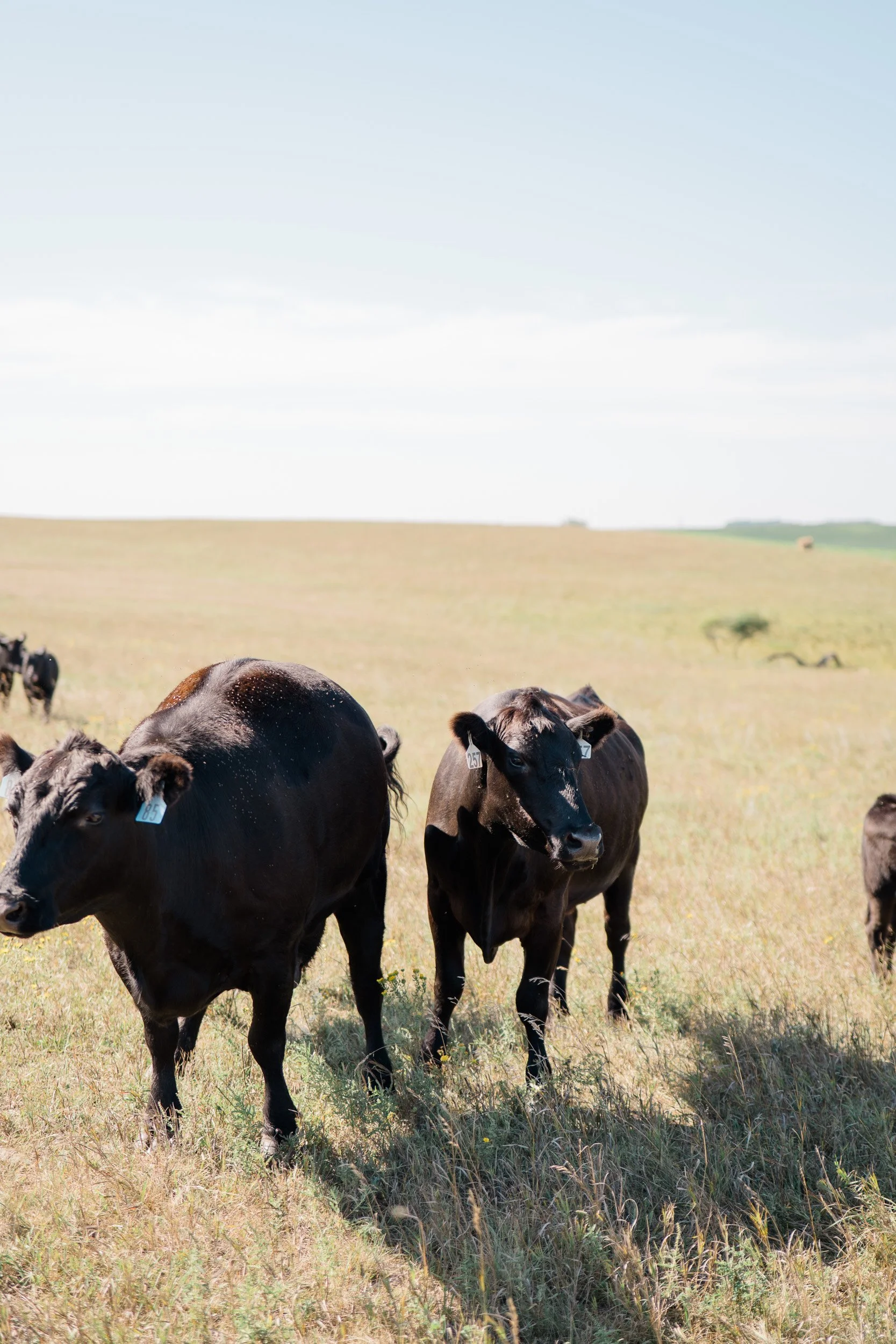
The poorest-quality soils on his farm remain in grassland, either as pasture or in the Conservation Reserve Program. He focuses his farming on some of the best land available.
It’s one example of how farmers can make decisions based on what works best for both the land and the farm.
And the benefits of those decisions can reach beyond the crops themselves.
“We’re improving the health of the soil. We’re keeping the land from eroding. We’re promoting wildlife in the area.”
For Terry and his family, that wildlife habitat is an added bonus. Conservation farming has created opportunities for family and friends to enjoy the outdoors and the land around them.
Farming for More Than Today
Ask Terry why caring for the land is so important, and his answer goes back to something pretty simple: land is where our food comes from.
“When you look at land here on this farm, or if you look at land in general, it’s what provides food for mankind.”
That’s why Terry sees caring for the land as both a responsibility and a privilege.
“It’s our duty and privilege to care for the land and make sure that it’s better than when we first were involved with it.”
It’s a mindset that has shaped Terry’s approach to farming for decades. Instead of only thinking about this year’s crop, he’s thinking about what the land will look like years from now.
A Family Farm With a Future
That long-term perspective is also an important part of family farming.
Terry knows he’s only one part of the farm’s story. He’s had the opportunity to work the land, improve it and care for it, but he also knows the land will be here long after he’s gone.
“I’m here for a short amount of time, and I’ve had a chance to work on this farm and develop it. And the land is always gonna be here after I’m gone.”
His hope is that someone involved in agriculture today will eventually continue farming the land.
For Terry, that’s what makes taking care of the farm so important. He wants the next person who has the opportunity to farm this land to be able to continue doing what he loves.
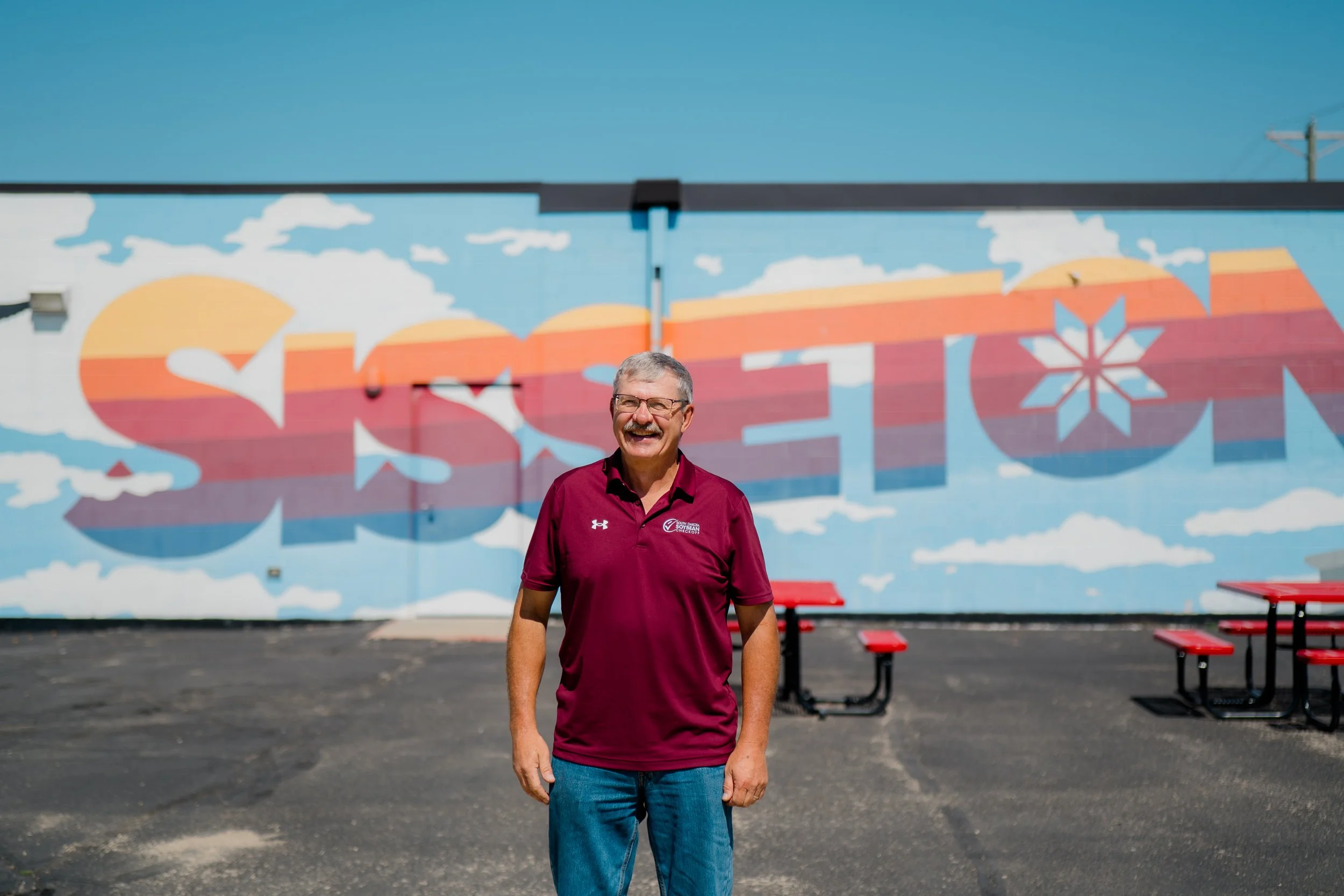
A Farmer, Neighbor and Community Leader
Terry’s commitment to stewardship doesn’t stop at the farm gate.
His first experiences with leadership came through 4-H and FFA, eventually leading him into local government. He served on his city council for 15 years before becoming mayor in 2013.
He sees plenty of similarities between farming and serving his community.
Both require solving problems, making financial decisions and thinking about how today’s choices will affect the future.
“On the farm, you’re a steward of the land.”
Whether he’s making a decision in a field or helping make a decision for his community, Terry approaches both with the same goal: leave things better than he found them.
Growing Something That Lasts
After more than 30 years of no-till farming and a lifetime spent around agriculture, Terry has learned that farming is about more than what you can grow in a single season.
It’s about the soil beneath your feet. It’s about the wildlife around you. It’s about family, community and the people who will come after you.
And most importantly, it’s about taking care of the land that makes it all possible.
“We’re seeing good things happen on the farm.”
For Terry, those good things are a sign that sustainable farming practices and a commitment to caring for the land can help keep South Dakota farms growing for generations to come.